

Free STI Testing in Medford
Worried you might have an STD?
Any time a person has sexual contact with a partner, there is a chance of contracting a sexually transmitted infection (STI). Condoms and other barrier methods may help reduce the risk of contracting an STI, but these methods are only risk reduction, not risk elimination. Many STIs show no signs or symptoms. Therefore, it is important to be tested regularly. How regularly you should be tested depends on your sexual behaviors and other risk factors.
How Do I Prevent an STI?
If you are engaging in any type of sexual activity, you are at risk for a sexually transmitted disease. Condoms and other barrier methods are risk reduction, not risk elimination. Abstinence is the only way to ensure you don’t contract an STI. This means not engaging in vaginal, oral, or anal sex.
What if I Tested Positive for an STI?
Some STIs are curable with medications or other treatment methods. Talk to a medical professional and begin a treatment plan. Do not engage in any type of sexual activity until cleared by your doctor to make sure you do not pass an STI to your partner(s). There is help, hope, and healing available after an STI. Call us today to talk with a peer consultant confidentially, without shame or judgment.
What Should I do Next?
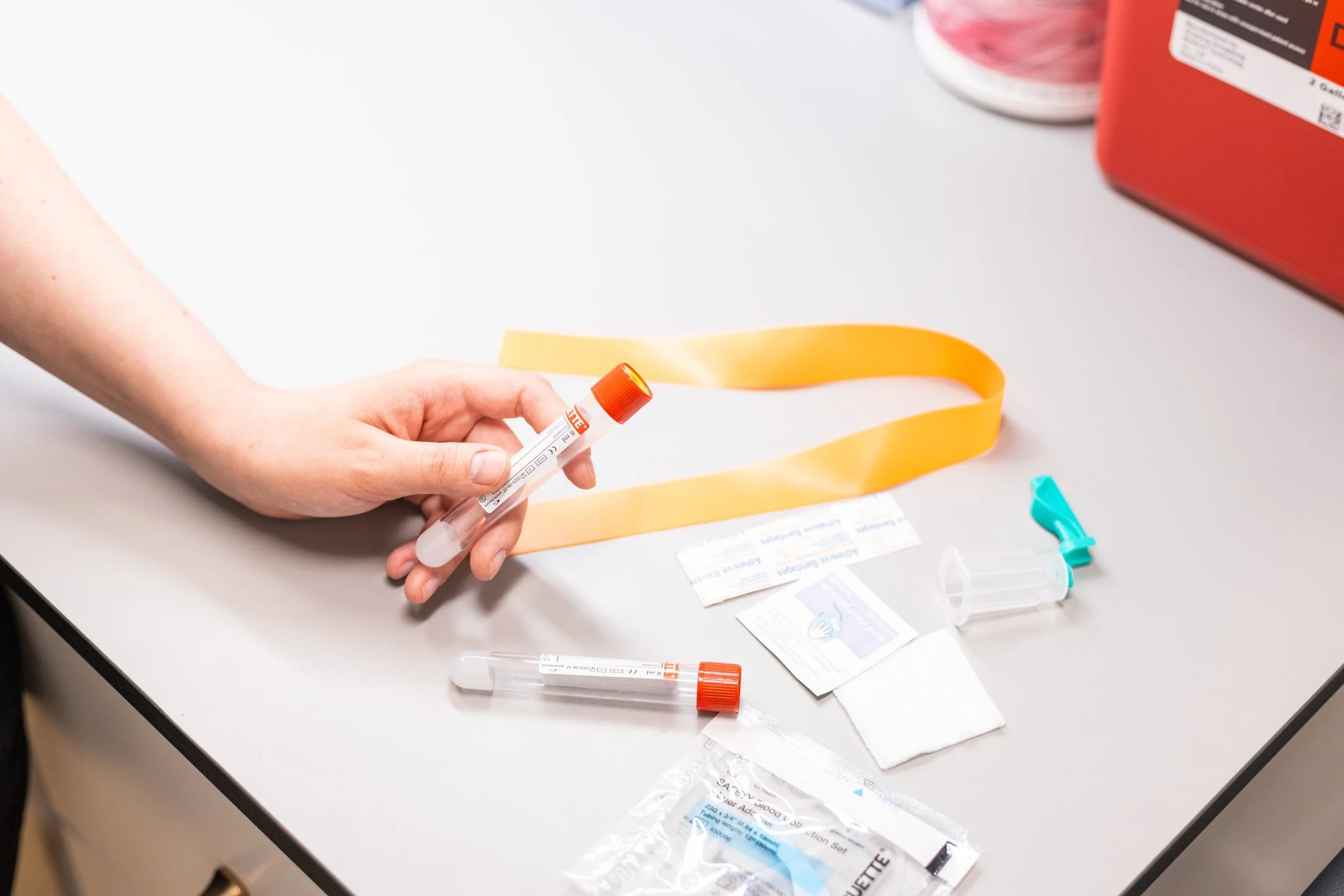
It is estimated that about 20 percent of the United States population – approximately one in five people in the U.S. – has an STI. We are here to offer help and hope. At our center, we can offer you or refer you for STI testing in your area and give you guidance and support no matter your test result. Getting tested for STIs is easy and harmless.
Contact us today for confidential help and support.
-
Centers for Disease Control and Prevention. (2023, April 11). Infections continue to forge ahead, compromising the nation’s health. https://www.cdc.gov/std/statistics/2021/default.htm#print
Centers for Disease Control and Prevention. (2021, February 18). Sexually transmitted infections prevalence, incidence, and cost estimates in the United States. https://www.cdc.gov/std/statistics/prevalence-incidence-cost-2020.htm
Centers for Disease Control and Prevention. (2021). Sexually transmitted infections treatment guidelines, 2021. Morbidity and Mortality Weekly Report: Recommendations and Reports, 70(4), 1-190. https://www.cdc.gov/std/treatment-guidelines/STI-Guidelines-2021.pdf
Centers for Disease Control and Prevention. (2021, December 14). Which STD tests should I get? https://www.cdc.gov/std/prevention/screeningreccs.htm
Cleveland Clinic. (2023, February 3). Sexually transmitted infections. https://my.clevelandclinic.org/health/diseases/9138-sexually-transmitted-diseases--infections-stds--stis
Cleveland Clinic. (n.d.). Sexually transmitted infections. https://my.clevelandclinic.org/services/sexually-transmitted-infections-treatment
Mayo Clinic. (2023, April 14). Sexually transmitted diseases (STDs). https://www.mayoclinic.org/diseases-conditions/sexually-transmitted-diseases-stds/diagnosis-treatment/drc-20351246
Mayo Clinic. (2022, May 5). Sexually transmitted disease (STD) symptoms. https://www.mayoclinic.org/diseases-conditions/sexually-transmitted-diseases-stds/in-depth/std-symptoms/art-20047081
Mayo Clinic. (2023, April 14). STD testing: What’s right for you? https://www.mayoclinic.org/diseases-conditions/sexually-transmitted-diseases-stds/in-depth/std-testing/art-20046019